



Choosing between design-build and a traditional contractor is one of the biggest decisions in a major renovation. The delivery model determines who is accountable for design, budget, and schedule. If you're comparing a design-build company with an architect and a general contractor hired separately, the right choice depends on the scope of your project, how much budget certainty you want, and how much coordination you're willing to handle yourself. This guide compares both approaches so you can decide which one fits a whole-house project.
How the Traditional Contractor Model Works
In the traditional setup, often called design-bid-build, you hire an architect or designer first. They draw the plans, and then you take those plans to one or more general contractors for bids. You end up with two contracts and two teams that may never have worked together before.
That structure has clear upsides. Competitive bids let you compare prices side by side, and an independent designer has no stake in what the builder charges. It works well when you already own a finished set of drawings.
The weak spot is the handoff. Plans get priced only after they're drawn, so a design that looked perfect on paper can come back well over budget. Then it's back to the designer for revisions while the calendar keeps moving. And when something goes sideways mid-build, each side can point at the other.
How Design-Build Works
Design-build puts the designer, the estimator, and the builder on one team under one contract. The budget conversation starts at the first meeting instead of after the plans are finished.
At Zenith Design + Build, the path runs through six steps: an initial consultation, an initial design with a suggested budget, design selections, a written proposal, a pre-construction meeting where you meet your superintendent, and then construction. You can see how our design services fit into that path. Because the people drawing your kitchen also know what it costs to move a wall, ideas get tested against current prices before you fall in love with them.
What the 2026 Numbers Say
Demand for home remodeling is holding up. The National Association of Home Builders reported that its Remodeling Market Index reached 61 in the second quarter of 2026, comfortably above the break-even mark of 50, while its chief economist named rising building material costs as a hurdle. Strong demand plus climbing material prices is exactly when you want a team that sorts out scope and pricing before demolition starts.
Design-Build vs Traditional: Side by Side
|
Factor |
Design-Build |
Traditional |
|
Contracts |
One |
Two or more |
|
Budget input |
From the first meeting |
After plans are drawn |
|
Accountability |
One team |
Split between designer and builder |
|
Design changes |
Priced as you go |
Often means redrawing |
|
Best for |
Complex, multi-room projects |
Projects with finished plans |
What About Budget and Timeline?
Cost is usually the first worry, so here's the practical difference. With a traditional contractor, you often learn the true price only after the drawings are done and bids come back. With design-build, you get a suggested budget alongside the first design, so you can adjust the scope while changes are still cheap. Zenith also offers financing through GreenSky, which can help spread the cost of a bigger project.
Timelines work the same way. Because design and planning overlap, there's less dead time between "we love the plan" and "the crew arrives." You'll still want to leave room for weather and material lead times, since no builder controls those.
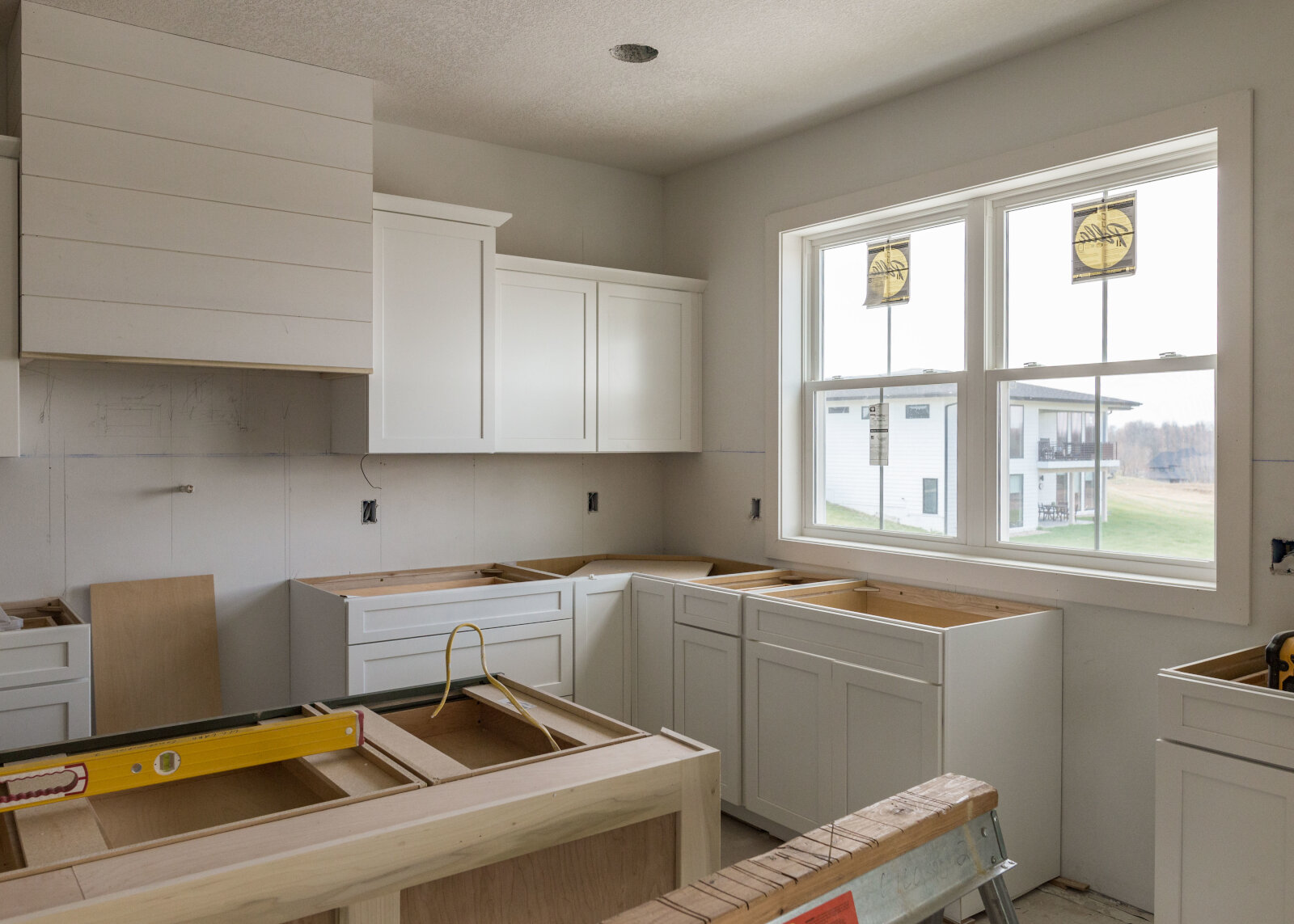
Before:- Tim + Megan | Daybreak Custom Home
After:- Tim + Megan | Daybreak Custom Home
Design-build isn't right for everyone. If you've already hired an architect you love, or you're restoring a landmark where the architect has to stay in charge of every detail, the traditional route is a sensible choice. It also suits simple, single-trade jobs, like a roof replacement, where there's little to design in the first place.
Why Design-Build Wins for Whole-House Projects
A full house renovation can run anywhere from three to eight months, and it can touch kitchens, baths, floors, electrical, and sometimes structure. Home remodeling at that scale has a lot of moving parts, and asking two separate companies to coordinate all of them is a big ask.
With design-build, one team owns the plan, the schedule, and the result. A design-build team also spots problems sooner, because the builder sits in the design meetings and can flag a tricky beam or an outdated electrical panel before it becomes a change order. Our historic whole home transformation in Woodland Hills (Mel + Myk | Des Moines Historic Whole Home Transformation) is a good example: a 1919 house reworked from top to bottom by one team.
Before and after: Mel + Myk | Des Moines Historic Whole Home Transformation (Portfolio page: https://zenithdesignbuild.com/portfolio/mel-myk-des-moines-historic-whole-home-transformation)
Questions to Ask Before You Sign
Any remodeling contractor you're considering should answer these plainly:
- Who is my single point of contact from design through construction?
- When will I see a firm budget, and what does it include?
- How are changes priced once construction starts?
- Who supervises the job site day to day?
- Can I talk with past clients who had a similar project?
If the answers are vague, keep looking.
The Bottom Line
There is no single winner, but the right choice becomes clearer once you match the model to your project. For a multi-room or whole-house renovation, design-build typically means fewer surprises, earlier budget clarity, and one team to call when questions come up. A traditional contractor still suits homeowners who already hold finished architectural plans. Whichever route you take, the right team will start with your goals and budget. If you're in the Des Moines area, book an initial consultation call with Zenith Design + Build and we'll walk through your options together.
FAQ
1. What is the difference between design-build and a general contractor?
Design-build combines design and construction under one contract and one team. A general contractor typically builds from plans created by a separate architect or designer. At Zenith, one team takes you from your initial consultation call through design, a written proposal, and construction, and you meet your superintendent at the pre-construction meeting.
2. Is design-build cheaper than traditional contracting?
Not always, but it often reduces surprise costs because the budget is shaped during design. Compare scope line by line rather than the bottom number alone. At Zenith, you receive a suggested budget with your initial design and a written proposal before construction starts, and our change orders average less than 0.80% of total project cost.
3. What are the disadvantages of design-build?
You usually can’t collect competing bids on a finished set of plans. You also rely on one firm for design and construction, so check references first. At Zenith, we encourage homeowners to check our verified Google reviews before they decide.
4. Is design-build faster than design-bid-build?
Often, yes. Design and planning overlap, so there’s no pause to hire a builder after the drawings are done. At Zenith, the initial consultation call includes an initial estimate and a discussion of the time frame for next steps, and our full house remodels typically run three to eight months.
5. Can I use my own architect with a design-build firm?
Some firms will build from outside plans, while others design everything in-house. Zenith has built from plans drawn by others, but we always prefer to do the design in house. That way we can discuss design and pricing at the same time, and you stay in control of both.


Related Articles
