

A whole-house renovation is likely the biggest project you'll ever take on at home, and the budget is where most of the stress lives. Before you fall for a tile sample, get clear on the numbers. A smart remodel starts with a plan for the money, and the Pinterest board can come later. This guide covers how to set a realistic ceiling, where the dollars usually go, and how to keep surprises small. If you live in Central Iowa, you'll also see how we handle this conversation at Zenith Design + Build.
Start With a Ceiling You Can Live With
Before anyone sketches a floor plan, decide the most you're willing to spend. Look at your savings, your home equity, and any financing you're weighing. Then leave yourself some breathing room, because a project that drains every dollar has no space for the little things that always pop up.
Don't forget the cost of living through it. Our full house remodels typically run three to eight months, so if you'll move out, short-term rent and storage belong in the budget. And check your street. Spending far beyond what nearby homes sell for can be hard to win back when it's time to sell.
Sort Your Costs Into Clear Categories
One big number is hard to manage. Splitting it up makes every decision easier to weigh. Most whole-house budgets fall into these buckets:
- Design and permits: floor plans, 3D renderings, engineering, and permit fees.
- Structure and systems: framing changes, electrical, plumbing, HVAC, and insulation. You'll never see this work, and it's the part that tends to surprise owners of older homes.
- Kitchens and baths: these rooms pack the most cabinetry, plumbing, and tile into the least space, so they often take a big share.
- Finishes and fixtures: flooring, lighting, paint, hardware, and countertops.
- Exterior work: windows, siding, doors, or a deck, if they're in scope.
- Living costs and contingency: temporary housing, storage, and a reserve fund.
Ask your contractor to show the estimate in these same categories. If a line looks vague, keep asking questions until it doesn't.
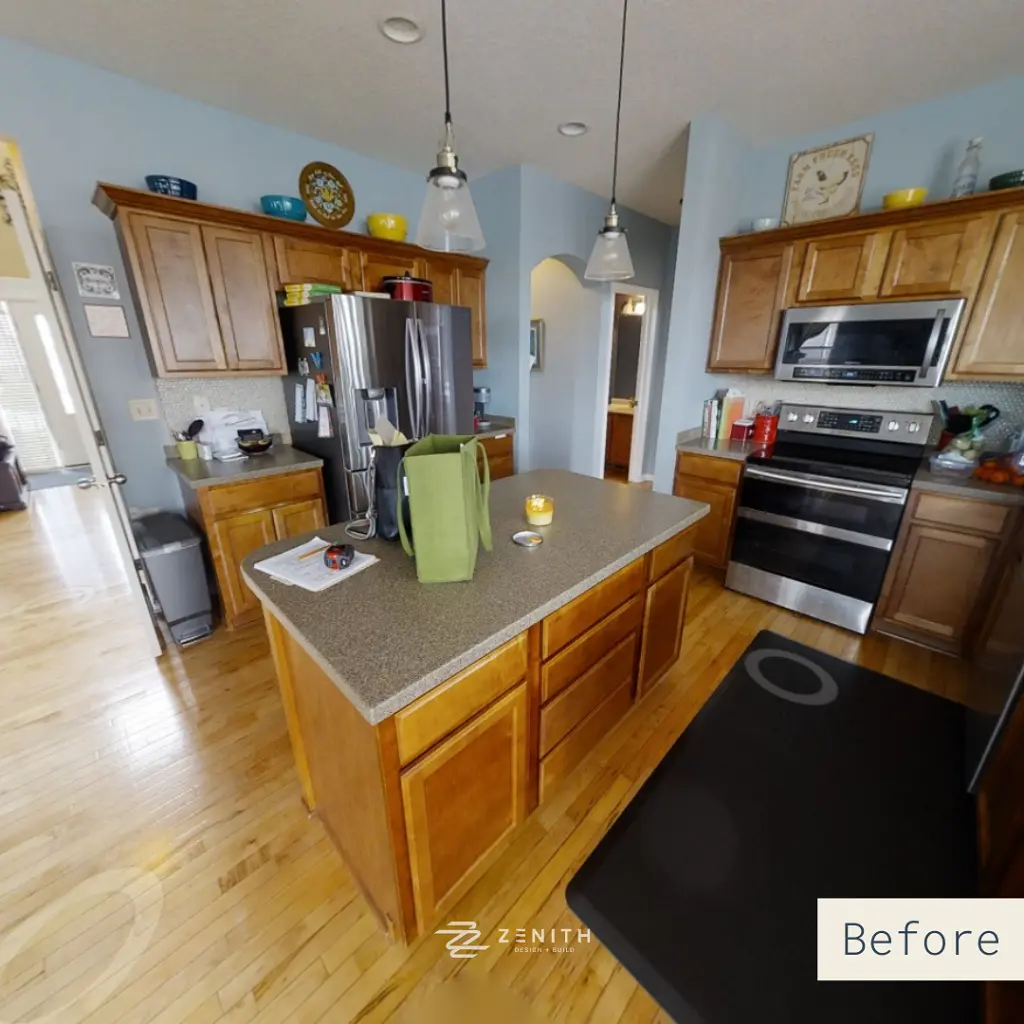
Before: - Johnston Whole Home
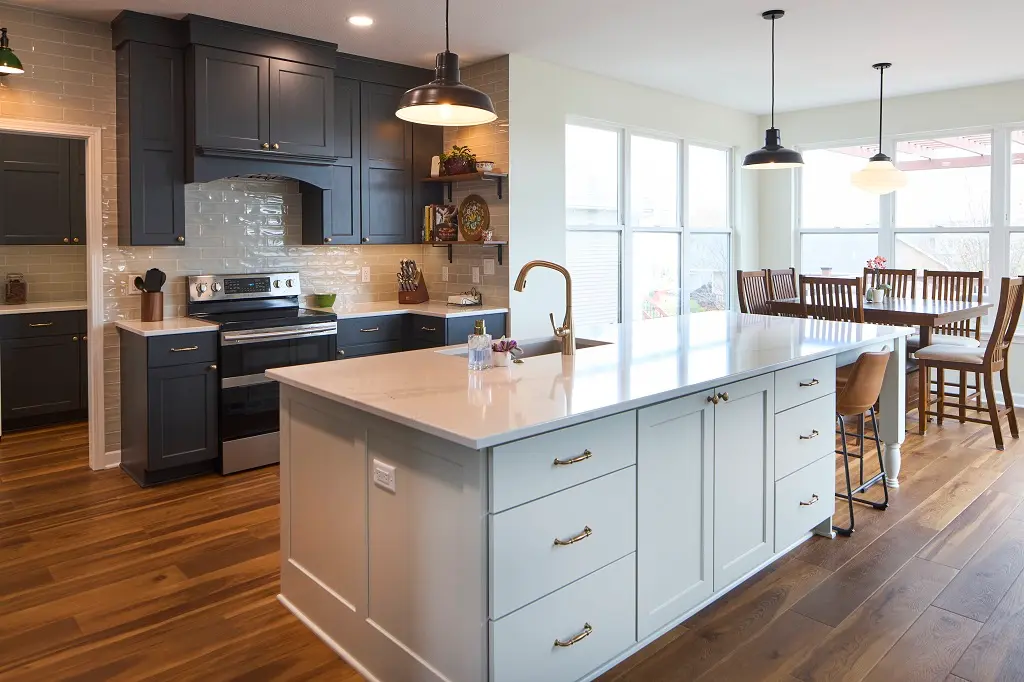
After:- Johnston Whole Home
What the 2026 Market Means for Your Budget
Demand is holding steady. According to the National Association of Home Builders, inflation-adjusted residential remodeling activity is expected to grow 3% in 2026, with another 2% gain projected for 2027.
That steady appetite for home remodeling is good news for the industry, but it has a practical side for you. Busy remodelers book out, and slow decisions can push your start date back. A clear scope and a firm budget early on help you claim a spot on the calendar and make it easier to hold your numbers steady.
Build a Contingency Fund and Protect It
Every renovation has surprises. A common rule of thumb is to set aside 10 to 20 percent of the project cost for them, leaning toward the higher end as the house gets older. Our team has renovated a 1919 home in Woodland Hills, and houses that age can hide outdated wiring, failing plumbing, or water damage behind the plaster. None of that rattles an experienced crew, but it can rattle a bank account that wasn't ready.
Treat the contingency as its own pot. Don't dip into it to upgrade the backsplash in month two. If you finish with money left over, spend it on something fun.
Rank Your Priorities Before You Price Them
Sit down with everyone in the house and sort your wishes into three lists: must-haves, nice-to-haves, and someday items. When the estimate lands higher than expected, which happens, you'll already know what to trim and what to protect.
If the total still stretches too far, phasing may help. Just be careful about what you postpone. Electrical, plumbing, and structural work are easier and less costly to do while the walls are open, so those usually come first. Paint, furniture, and some finishes can wait.
Get a Detailed Estimate Before You Commit
Rough per-square-foot numbers from the internet only go so far. Your house, your layout, and your finishes are unique. Remodeling works best when the design and the budget develop side by side, so you can see what each choice does to the total before it's locked in.
That's how our process runs. At your initial consultation call, we talk through the full scope, take measurements, and give you an initial estimate and timeline. Next comes an initial design with a suggested budget, then you choose your fixtures and finishes, and finally you receive a written proposal to review before signing anything. The more specific your selections, the fewer placeholder allowances sit in the estimate, and the fewer surprises show up later.
Financing can help bridge the gap, and we offer options through GreenSky®. Our cost guide is also a good place to start your research.
Final Thoughts
A ceiling you trust, clear categories, a protected contingency, and an estimate built on specific selections are enough to start. Each decision after that tightens the picture, and the project starts to look like a plan. If you're weighing custom home remodeling in the Des Moines area, we'd love to talk it through.
Book an initial consultation call with Zenith Design + Build, and we'll walk your home, listen to your goals, and build a plan around a budget that feels comfortable for your family.
FAQ
1. How much does it cost to renovate a whole house?
It depends on your home’s size, condition, and finishes, and the range runs from a light cosmetic refresh to a full gut. At Zenith, you receive a suggested budget alongside your initial design and a written proposal before you sign anything, so the number is based on your own home.
2. How do I start a whole-house renovation?
Set your budget ceiling, list your must-haves, then book an initial consultation call so a builder can measure your home and give you an initial estimate. At Zenith, that call covers the full scope of your project and your initial budget, and your design consultant takes photos and measurements to start your floor plans.
3. How long does a whole-house renovation take?
Our full house remodels typically take three to eight months, depending on scope, weather, and material availability. For example, our Johnston whole home remodel took three to four months, and our Beaverdale whole home transformation took six.
4. Is it worth renovating a whole house?
It can be, especially if you love your location and your plans fit what nearby homes sell for. At Zenith, you see a suggested budget with your initial design, which gives you a number to compare against the cost and hassle of moving before you commit to a written proposal. We also offer financing through GreenSky.
5. Is $100,000 enough to renovate a house?
Sometimes. It depends on square footage, the home’s age, and your finishes. At Zenith, $100,000 is where several project tiers start, such as an elevated primary bath, a living space addition, or an exterior transformation, while a full main-level transformation starts at $150,000. A project that touches most of the house typically needs a larger budget, and an initial consultation call is the fastest way to find out where yours lands.


Related Articles